What is the Best Use for Floor Foam Mats and Their Benefits for Your Space
When it comes to enhancing the comfort and functionality of your living or working spaces, Floor Foam Mats stand out as a versatile and practical solution. These mats are designed to provide a cushiony surface that supports various activities, making them ideal for use in areas such as playrooms, gyms, and workshops. The benefits of incorporating Floor Foam Mats extend beyond mere comfort; they also contribute significantly to safety by offering a non-slip surface that can reduce the risk of injuries from falls or slips.
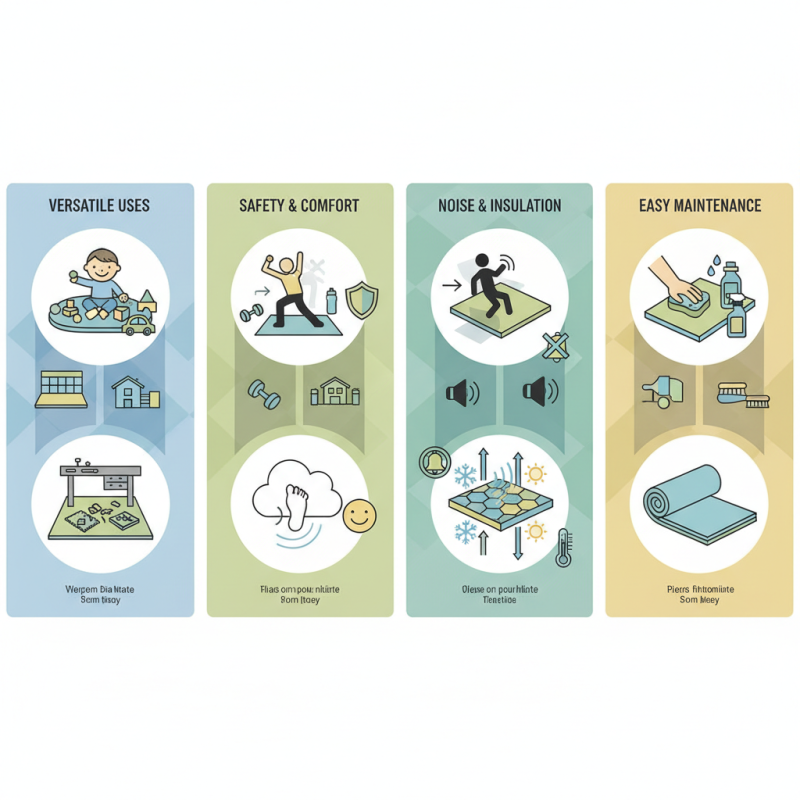
Additionally, Floor Foam Mats play a crucial role in noise reduction and insulation. Their thick, foam structure absorbs sound, making them an excellent choice for environments where maintaining a quiet atmosphere is important, such as home offices or children's play areas. Moreover, these mats can be easily cleaned and maintained, adding to their appeal as a practical flooring solution. By investing in Floor Foam Mats, you are not only improving the aesthetic appeal of your space but also creating a safer and more comfortable environment for everyone who occupies it.
What are Floor Foam Mats and Their Common Uses in Various Spaces
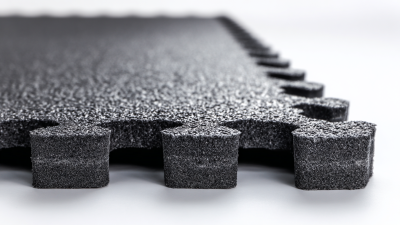
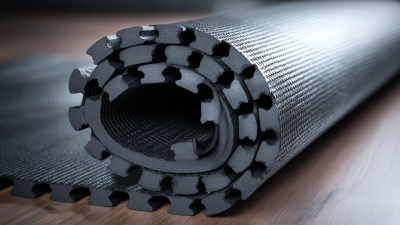
Floor foam mats are versatile flooring solutions made from soft, cushioned material that create a safe and comfortable environment across various spaces. Commonly used in children's play areas, these mats provide a protective layer against falls and injuries, making them an essential addition to nurseries and playrooms. In fitness studios or home gyms, floor foam mats help absorb impact and reduce noise, enhancing workout experiences by providing a soft surface for exercises like yoga, pilates, or high-intensity training. Their lightweight and interlocking design also makes them convenient to transport and store, allowing users to easily reconfigure their layouts as needed.
When installing floor foam mats, consider the size and layout of your space. Ensure that the mats cover the entire area where activities will occur, particularly in play zones or workout areas. Additionally, choose mats with a textured surface to improve grip and prevent slips. For those looking to add a splash of color, foam mats come in various designs and colors, allowing you to create a vibrant atmosphere that can stimulate creativity, especially in children's spaces.
Tips for maintaining floor foam mats include regular cleaning with mild soap and water to avoid any buildup of dirt or bacteria. It's also advisable to ensure that the mats are positioned on a dry, flat surface to prevent any warping or slipping over time. For long-term use, periodically check for any signs of wear and tear and replace individual tiles as needed to keep your space safe and inviting.
Key Benefits of Floor Foam Mats for Comfort and Safety in Work Environments
Floor foam mats offer a wide range of benefits, particularly in work environments where comfort and safety are paramount. These mats provide a cushioned surface that helps reduce fatigue, making it easier for workers who are on their feet for long periods. The soft material absorbs impacts, which can prevent discomfort in the feet, legs, and lower back. Additionally, floor foam mats often feature anti-slip properties, enhancing safety by reducing the risk of slips and falls, which is crucial in industrial or busy commercial settings.
When integrating foam mats into your workspace, consider some helpful tips. First, ensure that the mats cover high-traffic areas, such as standing stations or assembly lines, to maximize their protective benefits. Regular maintenance, such as cleaning and checking for wear and tear, will prolong the life of the mats and maintain their safety features. Lastly, think about the thickness and density of the mats based on the specific needs of your environment—thicker mats are generally better for hard surfaces where people stand for extended periods.
By focusing on comfort and safety through the use of foam mats, you can create a more productive and pleasant work atmosphere that promotes employee well-being.
What is the Best Use for Floor Foam Mats and Their Benefits for Your Space - Key Benefits of Floor Foam Mats for Comfort and Safety in Work Environments
| Benefit |
Description |
Ideal Use Cases |
| Comfort |
Provides cushioning that reduces fatigue during long periods of standing. |
Factories, kitchens, and retail environments. |
| Safety |
Reduces the risk of slips and falls by providing a non-slip surface. |
Workshops, gyms, and childcare facilities. |
| Noise Reduction |
Absorbs sound, creating a quieter work environment. |
Offices, studios, and printing services. |
| Easy Maintenance |
Simple to clean and maintain, often resistant to spills. |
Restaurants, medical facilities, and schools. |
| Versatility |
Available in various sizes and colors to suit different needs. |
Event spaces, trade shows, and personal gyms. |
Industry Standards: Evaluating Foam Density and Thickness for Optimal Performance
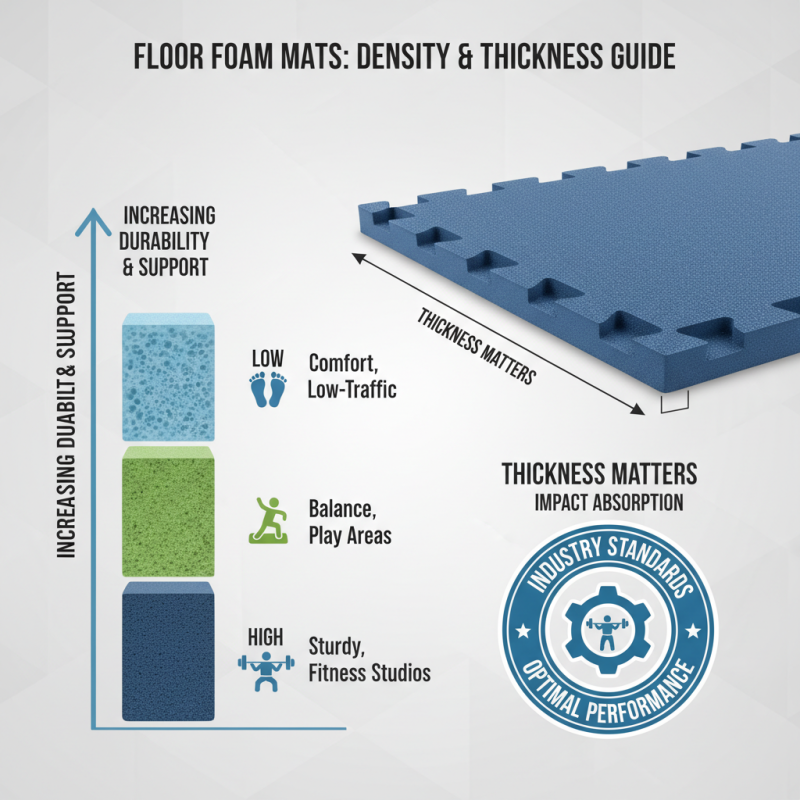
When choosing floor foam mats for your space, understanding industry standards regarding foam density and thickness is crucial for ensuring optimal performance. Foam density refers to the mass of the foam material per unit volume, which significantly influences its durability and comfort. A higher density foam typically provides better support, making it ideal for high-traffic areas or spaces where individuals will spend prolonged periods standing or exercising. For instance, fitness studios or play areas often benefit from foam mats with a density that strikes a balance between cushioning and sturdiness, allowing for both impact absorption and stability.
Thickness is another critical factor to consider, as it not only affects comfort but also provides insulation and sound dampening properties. Thicker mats can absorb more shock, making them suitable for activities involving high falls or jumps, such as in martial arts or gymnastics. However, it’s important to find the right thickness; excessively thick mats may hinder movements and affect balance during workouts or activities. Thus, selecting the appropriate foam density and thickness contributes significantly to the functionality and safety of your space, whether it’s a home gym, a children's play area, or a professional studio.
Comparative Analysis: Floor Foam Mats vs. Traditional Flooring Options
When comparing floor foam mats to traditional flooring options, it's essential to consider the unique characteristics and benefits each type offers. Floor foam mats are renowned for their cushioning effect, making them particularly suitable for areas where comfort is paramount, such as playrooms, gyms, or even kitchens. Unlike hardwood or tile flooring, which can be hard and unforgiving, foam mats provide a soft surface that can help reduce fatigue during prolonged standing and lessen the impact of falls.
Another advantage of foam mats is their ease of installation and maintenance. Traditional flooring often requires extensive labor, adhesives, or professional installation, while foam mats can be quickly laid down and rearranged as needed. This flexibility allows homeowners and businesses to easily adapt their spaces without the hassle of renovations. Additionally, foam mats are often stain-resistant and easy to clean, making them a practical choice for busy environments.
**Tips:** When choosing foam mats, consider the thickness and density to ensure they meet your specific needs. A thicker mat is generally better for impact absorption, while denser mats can provide additional stability. Also, think about the aesthetics—foam mats come in various colors and patterns, allowing for personalized design that can enhance the overall look of your space. Always ensure proper ventilation if you're placing mats in high-moisture areas to prolong their lifespan.
Comparative Analysis of Floor Foam Mats vs. Traditional Flooring Options
User Testimonials: Real-World Impact of Foam Mats in Home and Commercial Settings
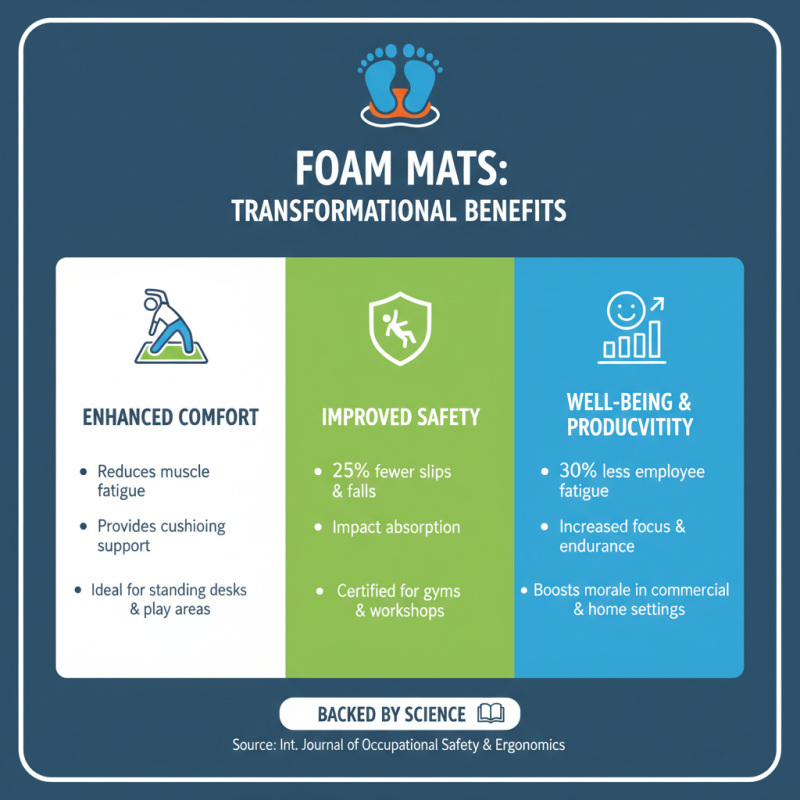
User testimonials reveal the transformative effects of foam mats in both home and commercial environments. Many users report significant benefits in comfort and safety, particularly in high-traffic areas such as playrooms, gyms, and workspaces. According to a study published by the International Journal of Occupational Safety and Ergonomics, workplaces that upgraded to foam flooring reported a 30% decrease in employee fatigue and a 25% reduction in slips and falls. This illustrates how foam mats can enhance productivity and well-being while minimizing injury risks.
In residential spaces, parents highlight the peace of mind that foam mats provide in ensuring safe play areas for children. A survey conducted by the National Association of Home Builders indicated that over 60% of families with young children prefer foam mats for their durability and ease of cleaning. Moreover, users have shared experiences of foam mats transforming their home gyms, creating a padded environment that absorbs impact and reduces noise, thus making workouts more enjoyable. In fact, foam mats can lower exercise-related injuries by up to 40%, according to research from the American Council on Exercise. Clearly, the real-world impacts of foam mats resonate across various settings, underscoring their value in enhancing comfort and safety.