Leave Your Message
Choosing among China’s best Rubber Floor Matting suppliers requires more than comparing prices, colors, and catalog photographs. A reliable supplier should demonstrate practical manufacturing experience, stable material sourcing, and clear quality controls. Look for detailed specifications covering thickness, density, hardness, slip resistance, odor, drainage, and edge finishing. A sample should feel consistent underfoot, without brittle corners, excessive smell, or uneven texture.
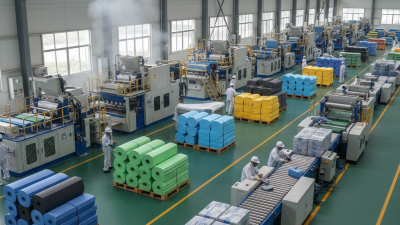
Rubber technology expert Dr. James E. Mark emphasized that rubber performance depends on both its material structure and processing history. That principle matters here. A mat made from carefully processed recycled rubber may perform better than a cheaper product with unclear composition. Ask suppliers for batch records, test reports, production photographs, and references from commercial installations. ISO certification can support credibility, but it cannot replace independent product testing or hands-on inspection.
Details reveal weaknesses.
A serious evaluation should consider factory capacity, mold control, customization ability, packaging, lead times, and export experience. Confirm whether the quoted Rubber Floor Matting is suitable for gyms, workshops, kitchens, entrances, or animal areas. Each environment creates different demands for traction, cleaning, impact resistance, and chemical exposure. One overlooked issue is color consistency between batches. It can become expensive after installation.
Some supplier websites look impressive, yet provide little technical evidence. That should invite reflection, not immediate rejection. Request a small trial order and inspect it after repeated cleaning, compression, and daily use. The best supplier is not always the lowest-cost option. It is the manufacturer that communicates clearly, admits limitations, and delivers measurable performance consistently.
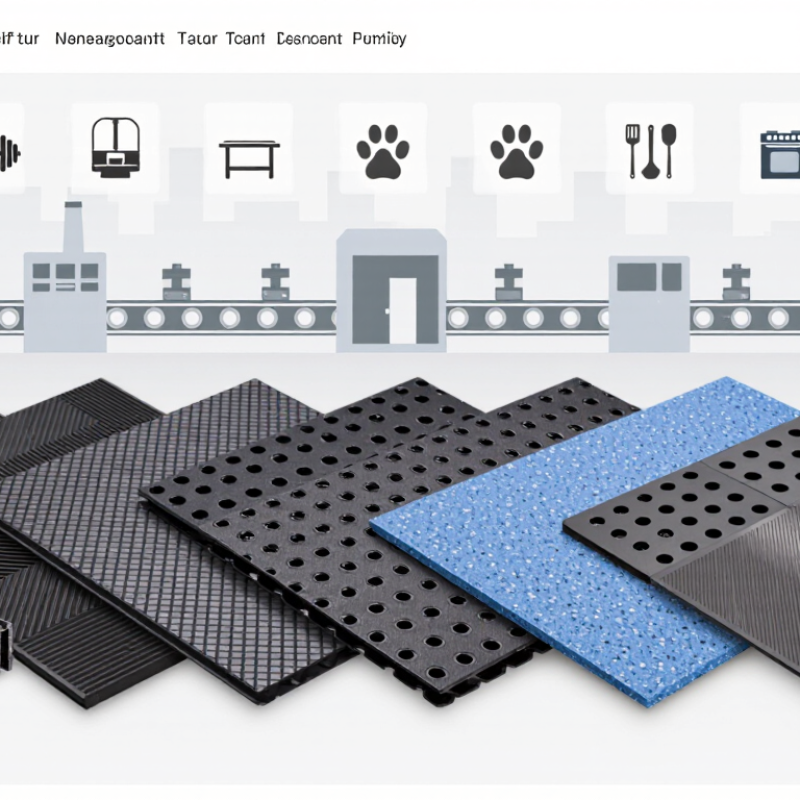
China Best Rubber Floor Matting Suppliers?
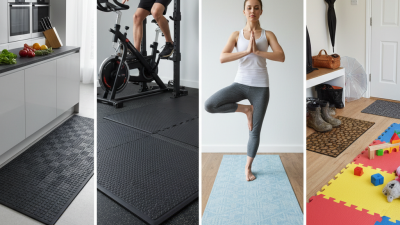
Chinese suppliers offer several rubber floor matting types for different working conditions. Entrance mats often combine scraper ribs with drainage channels. They remove water, grit, and mud near building doors. Anti-fatigue mats use cushioned rubber to reduce pressure on legs during long shifts. They suit workshops, counters, packing areas, and commercial kitchens. Choose perforated drainage mats for wet zones. Their open holes help liquids move below the walking surface. Interlocking tiles are practical for gyms and industrial rooms. Damaged sections can be replaced without lifting the whole floor.
Roll mats create faster coverage across corridors and production lines. They usually need accurate cutting and a flat subfloor. Ribbed surfaces improve traction, but deep patterns may collect dust. Stable mats support heavy equipment and animal areas, where thicker rubber resists movement. Material also matters. SBR rubber usually offers strong wear resistance. EPDM can provide better weather and color stability. Recycled rubber may reduce cost, although its odor and surface consistency need checking.
Experienced buyers should request samples, hardness data, thickness tolerance, and slip-resistance test results. Ask how the supplier checks bonding, edge cutting, and drainage holes. A small sample can reveal curling, oily residue, or a strong smell. Low pricing is tempting. It may hide thinner layers or inconsistent recycled content. I have found that mat performance depends on installation as much as material. Even good rubber fails on a wet, uneven floor. Suppliers should explain cleaning requirements, packaging protection, and replacement options before production. Some specifications still need adjustment after real site testing.
| Rubber Floor Matting Type | Typical Material | Common Surface or Backing | Typical Thickness | Recommended Applications | Main Functional Benefits | Common Supply Formats | Key Specification Checks |
|---|---|---|---|---|---|---|---|
| Coin-Pattern Rubber Matting | Natural rubber, synthetic rubber, or a rubber blend | Raised circular coin pattern; usually smooth or lightly textured underside | Approximately 2–6 mm | Workshops, corridors, commercial entrances, elevators, utility areas, and vehicle interiors | Improved underfoot traction, easy cutting, fast installation, and simple routine cleaning | Rolls, cut sheets, and made-to-size pieces | Pattern height, roll width, dimensional tolerance, slip performance, odor, and edge quality |
| Diamond-Plate Rubber Matting | Usually synthetic rubber or a natural/synthetic rubber blend | Raised diamond or bar pattern with a flat or textured backing | Approximately 2–6 mm | Industrial walkways, loading areas, workshops, ramps, and vehicle flooring | Traction enhancement, surface protection, moderate impact resistance, and industrial appearance | Rolls, sheets, tiles, and custom-cut sections | Pattern geometry, tear strength, abrasion resistance, flexibility, and resistance to oils or chemicals |
| Ribbed Rubber Matting | Natural rubber, SBR, or other synthetic rubber compounds | Parallel raised ribs; backing may be smooth, grooved, or textured | Approximately 3–8 mm | Walkways, ramps, aisles, transport floors, and areas requiring directional drainage | Helps channel water and debris, provides directional grip, and can reduce surface contact wear | Rolls and cut-to-length mats | Rib direction, rib spacing, backing profile, curl resistance, and slip performance when wet |
| Plain Rubber Sheet Matting | Natural rubber, SBR, EPDM, or blended rubber | Plain smooth surface; may be supplied with a fabric-reinforced or textured underside | Approximately 1–12 mm | Protective liners, workbenches, equipment bases, general flooring, and industrial sealing areas | Versatile fabrication, cushioning, vibration reduction, and protection against surface contact damage | Large rolls, sheets, strips, and custom die-cut parts | Hardness, tensile strength, elongation, compression set, temperature range, and chemical compatibility |
| Anti-Fatigue Rubber Matting | Resilient rubber, rubber foam, or a rubber-polymer composite | Textured top surface with a resilient foam or cushioning base | Approximately 10–25 mm | Standing workstations, assembly lines, cashier areas, service counters, and production floors | Reduces standing fatigue, improves underfoot comfort, and provides thermal separation from hard floors | Individual mats, interlocking tiles, and modular sections | Compression recovery, edge beveling, drainage, mat stability, load rating, and cleaning requirements |
| Drainage Rubber Matting | Natural rubber, recycled rubber, or synthetic rubber compounds | Open-hole, perforated, studded, or grid-pattern surface and base | Approximately 10–25 mm | Wet rooms, kitchens, pool surrounds, changing rooms, workshops, and animal-care areas | Allows liquids and debris to pass below the walking surface and improves traction in wet environments | Rolls, modular tiles, and interlocking mats | Opening size, drainage rate, underside clearance, cleaning access, slip resistance, and microbial-care requirements |
| Rubber Entrance Matting | Rubber or rubber-backed textile construction | Raised scraper ribs, grooves, brush inserts, or textile-wiping surface | Approximately 8–20 mm | Building entrances, retail facilities, offices, schools, hotels, and public transportation facilities | Captures dirt and moisture, protects interior flooring, and supports safer entry areas | Rolls, modular tiles, framed mats, and custom sizes | Water retention, dirt-trapping capacity, edge profile, backing stability, fire requirements, and maintenance method |
| Interlocking Rubber Floor Tiles | Recycled rubber granules, EPDM granules, or molded rubber compounds | Textured top with puzzle-style or straight-edge interlocking sides | Approximately 10–50 mm | Gyms, fitness rooms, playgrounds, workshops, garages, and equipment areas | Easy replacement, reduced installation time, impact absorption, and localized repairability | Square tiles, border tiles, corner tiles, and ramp-edge pieces | Tile density, dimensional stability, impact attenuation, odor, color consistency, and joint fit |
| Rubber Gym and Weight-Room Flooring | Recycled SBR rubber, EPDM rubber, or virgin rubber blends | Fine granule, speckled, hammer-top, or textured wear surface | Approximately 8–40 mm | Free-weight areas, strength-training rooms, fitness studios, and equipment platforms | Absorbs impact and vibration, protects subfloors, and withstands repeated equipment loading | Tiles, rolls, slabs, and custom platform sections | Impact absorption, indentation resistance, density, odor emission, edge tolerances, and floor flatness |
| Rubber Stair Treads and Stair Nosing | Natural rubber, synthetic rubber, or rubber-polymer blends | Textured tread with an integrated leading-edge nosing | Approximately 3–8 mm tread thickness, excluding profile variations | Commercial stairs, schools, factories, public buildings, and transport facilities | Improves stair-edge visibility and traction while helping protect stair surfaces from wear | Preformed treads, rolls, strips, and cut-to-size pieces | Nosing dimensions, tread depth, adhesive compatibility, slip performance, edge visibility, and fire requirements |
| Rubber Playground and Safety Flooring | Rubber granules bound with polyurethane or molded rubber safety tiles | Porous, granulated, or textured impact-absorbing surface | Thickness selected according to equipment height and impact criteria | Playgrounds, recreational areas, outdoor exercise zones, and fall-protection areas | Impact attenuation, drainage capability, cushioning, and resistance to repeated outdoor use | Wet-pour systems, tiles, mats, and prefabricated panels | Critical fall height, drainage, UV exposure, weather resistance, sub-base preparation, and installation testing |
| Oil-Resistant Industrial Rubber Matting | Oil-resistant synthetic rubber, commonly selected for compatibility with petroleum-based fluids | Coin, diamond, ribbed, perforated, or textured surface | Approximately 3–12 mm | Automotive workshops, machinery areas, maintenance bays, and manufacturing facilities | Provides traction and surface protection where contact with oils or lubricants is expected | Rolls, sheets, mats, and custom-cut pieces | Specific fluid compatibility, hardness change, swelling, tensile retention, temperature range, and cleaning chemicals |