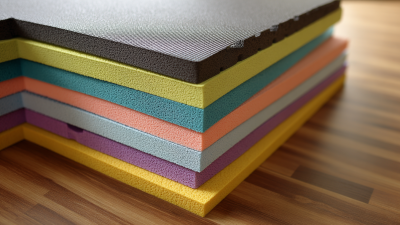
Choosing the right Eva Foam Mats in 2026 requires more than comparing thickness and price. A mat may look soft in a product photo, yet feel unstable under a loaded workbench. Another may resist water but become slippery after repeated cleaning. The best choice depends on use, surface, density, texture, and expected wear.
Dr. George Wypych, a polymer materials specialist and author of Handbook of Polymers, has stated, “The properties of EVA depend strongly on vinyl acetate content and processing conditions.” This principle matters in everyday selection. Higher EVA content can improve flexibility, while different foam densities affect cushioning and recovery. However, thicker does not always mean better. A 20-millimeter mat may protect knees well, but it can create a trip edge beside a thin floor covering.
This guide examines Eva Foam Mats through practical testing points. We consider compression, odor, moisture resistance, interlocking accuracy, and cleaning effort. The surface should feel firm enough for balance, but not harsh beneath bare feet. Edges should meet without visible gaps. Small gaps become annoying after dust collects.
Some judgments remain subjective. A home gym user may prefer firm support, while a children’s playroom needs softer impact absorption. Even color can mislead; dark mats often hide dirt rather than prevent it. We will compare these details carefully, while recognizing that no single mat fits every room, budget, or routine.
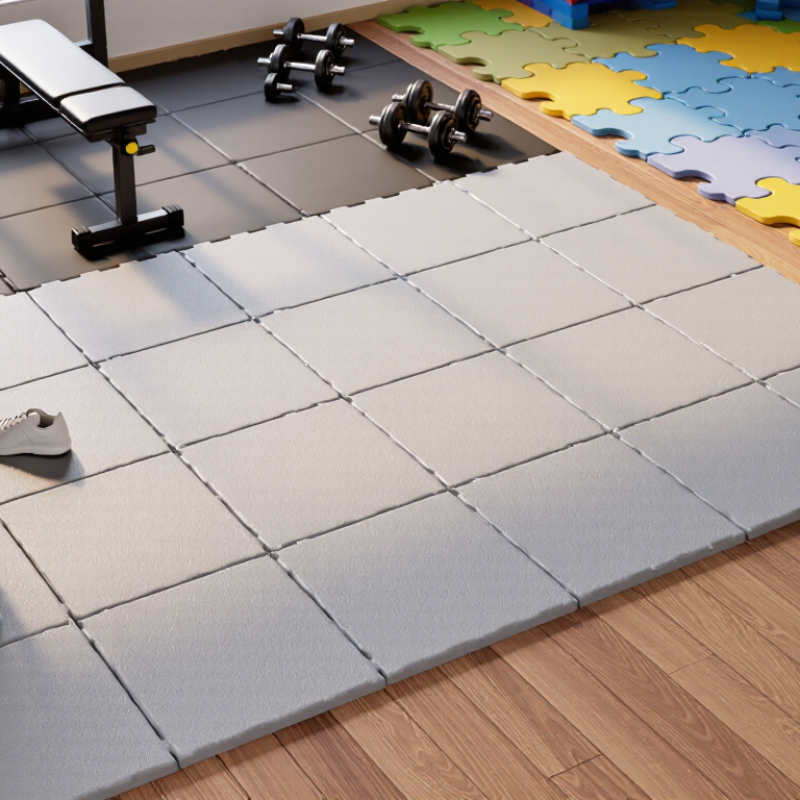
EVA foam mats are lightweight panels made from ethylene-vinyl acetate, a flexible polymer. Their cellular structure traps air and compresses underfoot, cushioning steps, floor exercises, or dropped toys. Many mats use closed-cell foam, which resists quick water absorption and is easy to wipe clean. But “water-resistant” does not mean waterproof at every seam.
Thickness and firmness matter. A thin tile may feel soft in your hand but bottom out on concrete. Denser foam usually feels firmer, though comfort depends on body weight and activity. Feel the difference.
Grand View Research estimated the global EVA market at US$11.7 billion in 2023 and forecast 5.4% annual growth from 2024 to 2030. That figure covers EVA broadly, not mat quality or safety.
ASTM D3575 provides test methods for flexible cellular materials made from olefin polymers; ask for relevant test results rather than assuming every mat has been tested. A small catch: foam can compress permanently with repeated use, so inspect seams and surface wear over time.
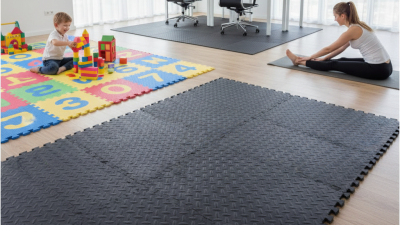
EVA foam mats should match the activity, not merely the room. The 2024 Physical Activity Council report recorded over 242 million U.S. participants in at least one activity during 2023. That variety demands different surfaces.
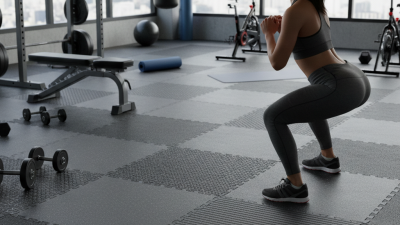
For home workouts, choose medium-density EVA with textured, slip-resistant faces. It should cushion knees without feeling unstable during squats. Interlocking edges help cover temporary training areas, but loose seams can collect dust.
For children’s play spaces, thicker foam and sealed surfaces matter more than firm support. A 15–20 millimeter mat can soften ordinary floor contact, while low-odor materials improve indoor comfort. Check cleaning instructions carefully.
Some EVA surfaces tolerate mild soap but react poorly to strong solvents. For martial arts or floor exercises, prioritize impact absorption and reliable joint alignment. A 20–40 millimeter system may suit repeated rolling, although thickness alone does not guarantee protection.
Testing the mat barefoot is useful. Your knees notice what specifications hide.
For garages, workshops, and standing desks, density and compression resistance deserve priority. The 2023 Global Wellness Institute report valued the global physical activity economy at about 1.1 trillion dollars, showing how varied exercise environments have become.
Still, I would not choose from market data alone. Measure the floor, check temperature changes, and inspect edges after several days.
Some mats look excellent initially. I have found that cheaper foam can compress faster than expected.
Start with the activity. Home workouts, children’s play areas, workshops, and camping need different EVA foam designs. Closed-cell EVA resists water and absorbs light impact. Cross-linked EVA usually feels firmer and keeps its shape under repeated pressure. Recycled blends can reduce waste, but their density and surface consistency may vary. Check the product specifications carefully.
Thickness affects comfort, stability, and storage. A 6–10 mm mat suits stretching and light exercise. For weight training or floor-based movements, 12–20 mm provides better cushioning. Very thick foam feels comfortable, but it can wobble beneath heavy equipment.
Texture controls grip and cleaning. A raised pattern helps shoes stay stable during quick movements. A fine, closed texture feels easier to wipe after sweaty sessions. Deep grooves may trap dust, sand, or spilled drinks. Test the surface with dry and slightly damp hands.
Texture changes everything.
Also inspect the edges, locking joints, and compression recovery. Press the foam for several seconds, then watch how quickly it returns. Measure twice. A reliable choice matches the material, thickness, and texture to the actual floor, activity, and cleaning routine.
When comparing EVA foam mats, treat safety claims as testable evidence, not reassuring wording. The U.S. EPA’s TEAM studies found many common organic pollutants at indoor levels two to five times outdoor levels. That does not prove a mat is the source, but it makes product-specific emissions testing worthwhile. Ask for a current, independent report identifying the exact mat and test method. The WHO’s 2010 indoor-air guidelines set a formaldehyde level of 0.1 mg/m³ over 30 minutes; use it as context, not as proof that a mat meets every safety requirement. Odor is not proof.
For durability, check the foam’s thickness, edge quality, and how firmly interlocking tiles stay joined under repeated use. Request compression-set results, ideally tested to ASTM D3574, and ask how the sample was conditioned. A soft tile may feel comfortable in a showroom yet retain dents beneath a heavy bench. I would not judge toughness by thickness alone; that shortcut is tempting, but incomplete.
Maintenance should fit the room. For dust or spills, use a damp cloth and mild detergent, then let the tiles dry fully before reassembly. Confirm the care instructions before applying disinfectants or solvents, which may discolor or weaken foam. Check seams and corners monthly for lifting, cracks, or trapped moisture. Small details matter. Keep the test report and care sheet with the purchase records; I have found that this step is easy to overlook.
When choosing the best EVA foam mats in 2026, compare more than the shelf price. Check the cost per square meter, then note thickness, density, and edge design. A low price may hide thin foam that compresses quickly under a desk chair or exercise bench. Ask whether the quoted price includes delivery and replacement pieces. Small details matter. For long-term value, consider how often the mats will be used, how easily they clean, and whether individual tiles can be replaced.
Tips: Request certification documents or test reports for the exact product, not just a general company statement. Check the product name, test date, and materials covered. Compare warranty terms, but read exclusions closely. A certificate can support a decision; it does not guarantee that a mat suits every room or use.
Think about the surface beneath the mats, too. Dust, moisture, and uneven floors can affect grip and wear. If possible, inspect a sample and press it repeatedly; note how well it recovers. This check is imperfect, and one sample cannot predict years of use. Still, it can reveal a strong odor, loose edges, or a surface that feels too slick. A slightly higher upfront cost may make sense when the mats retain their shape and are easy to maintain.