Top 10 Tips for Choosing Foam Gym Floor Mats for Your Home?
When setting up a home gym, the choice of Foam Gym Floor Mats plays a crucial role in creating a safe workout environment. According to a recent report by the Global Fitness Association, nearly 70% of home gym owners find increased motivation with the right flooring. Dr. Emily Carter, a prominent health and wellness expert, emphasizes, "Quality foam mats can significantly impact your workout experience."
Choosing the right mats requires careful consideration. Foam Gym Floor Mats provide cushioning and support, reducing the risk of injury during workouts. The variety in thickness, material, and texture can influence your decision. Additionally, many consumers overlook the importance of ease of cleaning. A good mat should not only protect your floors but should also be practical and pleasant to use daily.
It's essential to evaluate your specific needs before purchasing. Some mats are designed for high-impact exercises, while others focus on yoga and stretching. Don't rush the decision. An ill-suited mat can lead to discomfort and, ultimately, a decline in your fitness routine. While the market offers abundant options, it’s vital to find mats that truly align with your workout style and personal preferences.
Understanding the Different Types of Foam Gym Floor Mats
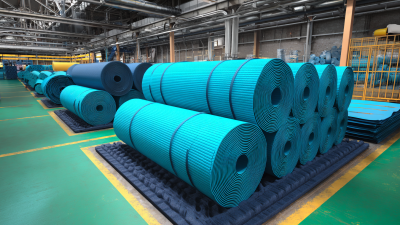
When choosing foam gym floor mats, it's essential to understand the different types available. There are interlocking tiles, mats, and rolls. Each type has unique features. Interlocking tiles are popular for ease of installation. They can be easily rearranged. However, the seams can collect dirt over time. Mats offer solid coverage but can be heavy to move. Rolls provide large surfaces without seams, yet cutting them to fit can be tricky.
Different foam densities affect comfort and support. High-density foam offers better cushioning and durability. Lower-density foam may feel softer but can wear out faster. It's important to think about activities planned on these mats. For yoga or stretching, a softer option may be better. For weightlifting, firmer mats provide needed stability.
Thickness also matters. Mats that are too thick can impair balance. Too thin might not offer enough support. Each person’s needs vary. Assess your space and workout style before deciding. Don't forget about maintenance as well. Some mats require special cleaning to avoid odors. Researching options can seem overwhelming, but it's necessary for a functional home gym.
Top 10 Tips for Choosing Foam Gym Floor Mats for Your Home
| Tip Number |
Tip Description |
Type of Foam |
Thickness (inches) |
Interlocking Feature |
| 1 |
Consider the intended use. |
High-density foam |
0.5 |
Yes |
| 2 |
Check for shock absorption. |
EVA foam |
1.0 |
Yes |
| 3 |
Assess the mat's durability. |
Polyurethane foam |
0.75 |
No |
| 4 |
Look for non-toxic materials. |
Natural rubber |
1.5 |
Yes |
| 5 |
Ensure easy maintenance and cleaning. |
PVC foam |
0.5 |
No |
| 6 |
Decide on the appropriate size. |
Foam tiles |
2.0 |
Yes |
| 7 |
Check for slip resistance. |
Textured foam |
1.0 |
Yes |
| 8 |
Evaluate acoustic insulation properties. |
Soundproof foam |
1.5 |
No |
| 9 |
Consider the aesthetic appeal. |
Colored foam |
0.75 |
Yes |
| 10 |
Ensure the warranty and return policy. |
Multi-layer foam |
2.0 |
No |
Assessing Thickness and Density for Optimal Comfort and Support
When selecting foam gym floor mats, thickness and density are crucial for comfort and support. A mat that is too thin may lack the cushioning your joints need. Conversely, overly thick mats can feel unstable, making workouts less effective. Most experts recommend mats ranging from 3/8 inch to 1 inch in thickness.
Pay attention to the density of the foam. High-density foam tends to provide better support and lasts longer. It maintains its shape under pressure, ensuring a stable surface. Softer foams might feel cozy but can compress quickly. This can lead to discomfort over time. A balance between comfort and support is essential for anyone working out at home.
It’s also worth noting personal preferences and workout types. Activities like yoga may require softer mats, while weightlifting often needs firmer support. Test different options if possible. It’s normal to feel unsure about the perfect fit. You might buy one that feels right but later realize it isn’t suitable for all workouts. Embracing this trial and error is part of finding your ideal gym flooring.
Evaluating Material Durability and Safety Standards
When selecting foam gym floor mats, material durability is crucial. Different types of foam offer varying levels of resistance to wear and tear. High-density foam can withstand heavy use better than low-density options. Investigate the composition of the foam. Some types are more prone to indentations and deterioration over time. It’s vital to weigh these aspects against your workout routines.
Safety standards should be a top priority. Look for mats that are non-toxic and free from harmful chemicals. Certifications can provide assurance, but they don’t always guarantee performance. Check for a slip-resistant surface. A mat that looks good may still fail in this critical aspect. Users often forget about maintenance. Regular cleaning can extend the life of your mats. Pay attention to the warranty. A longer period might indicate greater confidence in the product.
Considering Interlocking Designs for Easy Installation and Maintenance
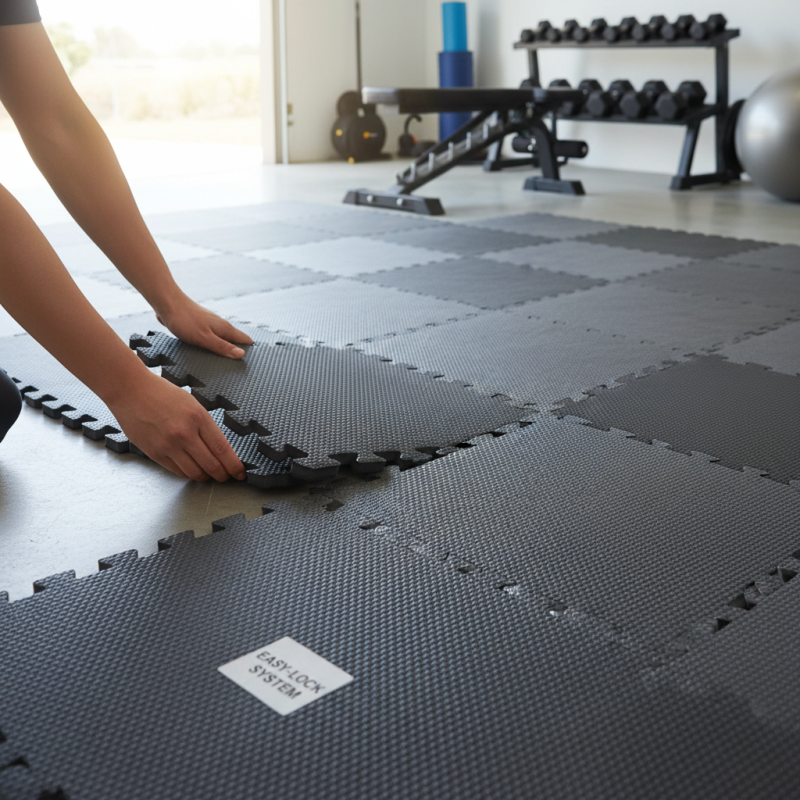
When it comes to foam gym floor mats, interlocking designs offer easy installation. Reports indicate that interlocking mats can reduce installation time by up to 30%. This is particularly beneficial for those who may not have extensive DIY experience. Each piece fits together seamlessly, allowing for quick setup. The convenience of interlocking mats can encourage users to change layouts as needed, promoting flexibility in workout spaces.
Maintenance is another key factor. Interlocking mats are easier to clean and replace if damaged. A study from the Athletic Flooring Report highlighted that foam mats can absorb moisture and odors. Interlocking designs help maintain hygiene by allowing individual sections to be removed for cleaning. However, it can be easy to overlook regular maintenance, leading to potential hygiene issues. It's essential to establish a routine.
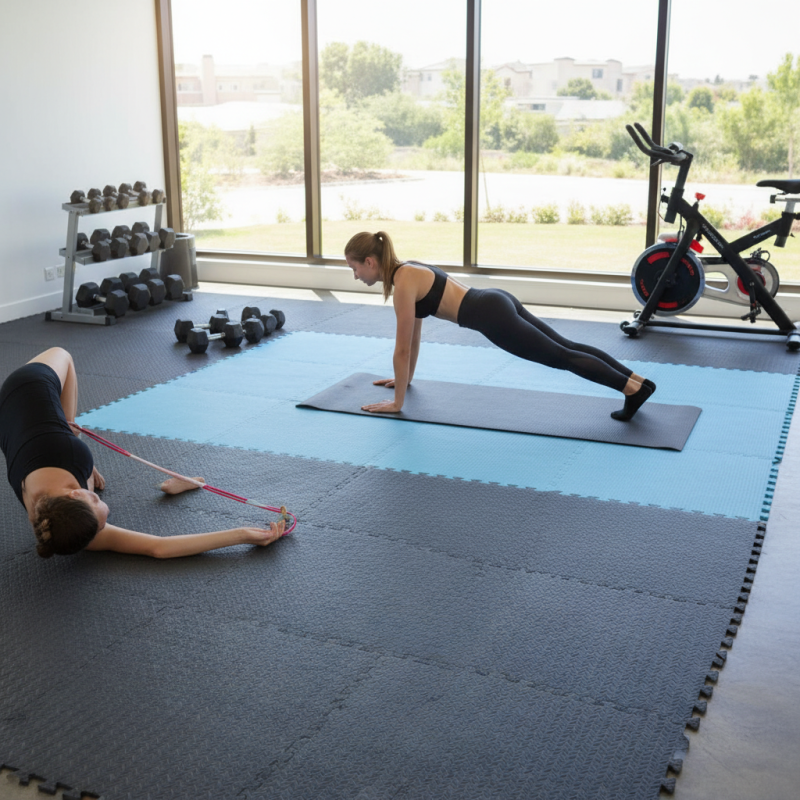
Interlocking mats can be customized for different areas. They allow users to create specific zones for workouts, stretching, or weight lifting. This layout adaptability fosters a more organized environment. Yet, users must be mindful of the thickness and density of the mats. Softer mats may feel comfortable but might not provide the necessary support for heavy equipment. Thus, careful selection is crucial.
Choosing Colors and Patterns to Match Your Home Gym Aesthetic
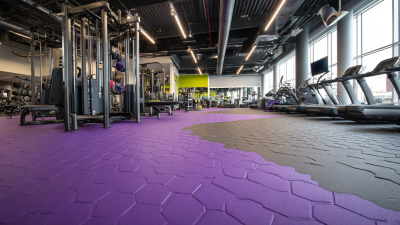
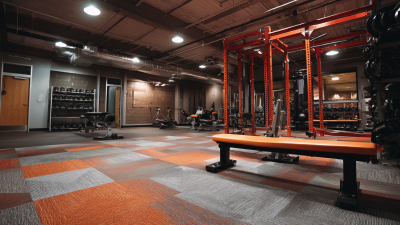
When designing a home gym, choosing the right foam floor mats can enhance both functionality and aesthetics. Colors and patterns are crucial in creating a motivating environment. A recent study found that over 70% of gym-goers feel more engaged in lively spaces. Therefore, selecting bold colors can energize your workouts. Bright shades like red or yellow can inspire enthusiasm and enhance performance.
On the other hand, neutral colors such as gray or beige can give a more calming vibe. They may help in maintaining focus, but they can also feel dull. You risk losing motivation in a bland space. Patterns can add character too. Geometric designs or soft textures can break the monotony. Yet, too much complexity might distract. Striking a balance is essential.
Inconsistent choices can lead to regret later. Consider the overall look of your home and select mats that complement your decor. If your home features minimalist design, avoid overwhelming patterns. Instead, opt for subtle textures. Data suggests that cohesive aesthetics significantly influence workout habits. Ultimately, pay attention to colors and patterns, as they can impact not only aesthetics but also your exercise routine.
Top 10 Tips for Choosing Foam Gym Floor Mats for Your Home
This chart illustrates the importance rating of various factors to consider when choosing foam gym floor mats for your home. Each factor is rated from 1 to 10 based on its significance for creating an effective home workout environment.