20+ years of production experience
Leave Your Message

Top 10 EVA Mat Types for Global Buyers?

Choosing the right Eva Mat begins with understanding where and how it will be used. A home gym needs resilient cushioning under dumbbells and repeated foot traffic. A children’s play area needs soft edges, low odor, and a surface that cleans easily. Boat decks require grip, moisture resistance, and stable bonding under changing temperatures. These details make material selection more practical than simply comparing thickness or color.

Materials consultant Michael Chen explains, “An Eva Mat should be judged by its working environment, not by appearance alone.” That principle guides this overview of the ten most relevant Eva Mat types for global buyers. The selection considers density, surface texture, thickness, water resistance, shock absorption, installation method, and expected service life. It also considers packaging and shipping efficiency, since oversized foam tiles can increase freight costs and storage pressure.

No ranking is perfect. Some categories overlap. A textured interlocking mat may also serve as a fitness, workshop, or garage solution. Buyers should request samples and compare compression recovery after repeated use. They should also check odor, edge accuracy, color consistency, and cleaning performance before placing larger orders. Small differences become visible under bright showroom lights and heavy daily use.

The following guide focuses on practical purchasing decisions. It separates decorative choices from performance requirements. It also highlights common compromises, because softer is not always stronger, and thicker is not always better. Local climate, user behavior, and installation quality can change the final result. Careful evaluation remains essential.
Top 10 EVA Mat Types for Global Buyers?

What Are EVA Mats and How Are They Classified?

Top 10 EVA Mat Types for Global Buyers

What Are EVA Mats and How Are They Classified?

EVA mats are flexible sheets made from ethylene-vinyl acetate copolymers. Their performance depends on density, hardness, cell structure, thickness, and surface treatment. The ten common types include closed-cell foam, open-cell foam, high-density foam, low-density foam, textured mats, smooth mats, laminated mats, interlocking tiles, roll mats, and custom-cut mats. This list is practical, but not absolute. One product may fit several categories.

Closed-cell EVA resists water and supports cushioning under repeated pressure. Open-cell EVA feels softer, but it absorbs moisture more easily. Density usually ranges from about 30 to 250 kg/m³, while hardness often falls between 15 and 70 Shore C, depending on formulation and testing method. Buyers should request test conditions before comparing quotations. Numbers can mislead.

The OECD’s Global Plastics Outlook reported 353 million tonnes of plastic waste in 2019, with only 9% recycled. This strengthens the case for longer-lasting mats and clearer material disclosure. The IRENA Renewable Capacity Statistics 2024 recorded 345.5 GW of new solar capacity in 2023, where EVA is widely used in encapsulation applications. That demand encourages better polymer consistency, even though solar-grade EVA differs from flooring-grade EVA. For global buyers, classification should include density, compression recovery, slip resistance, odor, color stability, packaging, and regional compliance documents. A low price may hide weak rebound performance.
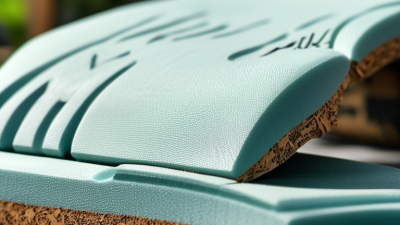
The Top 10 EVA Mat Types by Structure and Function

EVA mats vary widely by structure and purpose. The ten practical types include closed-cell foam mats for moisture resistance, open-cell mats for softer cushioning, cross-linked EVA mats for strength, and non-cross-linked mats for economical protection. Roll mats cover large areas quickly. Interlocking puzzle mats fit changing room layouts. Exercise mats balance grip and shock absorption. Anti-fatigue mats support workers who stand for long periods. Marine deck mats improve comfort around wet surfaces. Play mats provide soft, lightweight protection for children.

Each type serves a different working condition. Closed-cell material is easier to clean, but it may feel less breathable. Open-cell foam feels comfortable, yet it can absorb moisture if poorly sealed. Cross-linked structures usually offer better durability and shape recovery. Non-cross-linked structures can be easier to process, though they may compress sooner. Thickness, density, surface texture, edge design, and temperature resistance should be checked together. A thick mat is not always the safer choice. I have seen buyers overlook floor drainage and regret it later. Actual sites are less perfect than product samples.

Tips Match the mat to the floor, traffic, moisture, and cleaning routine. Request density data, compression tests, odor information, and dimensional tolerances. Check slip resistance under realistic conditions, not only on a dry showroom floor. Confirm regional safety requirements before purchase. Small samples help, but they cannot fully predict long-term wear.

Key Materials, Thicknesses, Textures, and Performance Features

Top 10 EVA Mat Types for Global Buyers

EVA mats differ sharply in density, thickness, surface texture, and intended use. Common types include interlocking puzzle, roll, gym, yoga, tatami, playroom, marine, anti-fatigue, industrial, and vehicle mats. Closed-cell EVA resists water absorption, while cross-linked foam usually offers better recovery after compression. Recycled content can reduce cost, but it may create color variation and weaker resilience. That trade-off deserves testing.

Thickness changes practical performance. Yoga mats often measure 4–10 mm, while gym and weight-training mats commonly reach 10–30 mm. Play and impact mats may exceed 20 mm, depending on fall-risk requirements. A 2024 Grand View Research market assessment identifies rising demand for lightweight, durable foam products across sports, construction, and transport applications. Its findings support EVA’s broad use, but market growth does not guarantee equal quality.

Texture affects grip, cleaning, and user comfort. Pebbled surfaces hide scratches and improve traction under damp shoes. Wood-grain textures suit tatami-style interiors, though deep grooves collect dust. Diamond and raised-dot patterns support industrial footing. Buyers should request density, compression-set, slip-resistance, and odor test data. ASTM F1292 may guide impact testing for playground applications, while ASTM F355 supports sports-surface evaluation. In practice, a 15 mm mat can feel softer than a 20 mm mat when density is lower. Thickness alone misleads. Temperature testing also matters, especially for containers, outdoor gyms, and vehicles exposed to heat.

Top 10 EVA Mat Types for Global Buyers: Key Materials, Thicknesses, Textures, and Performance Features
No. EVA Mat Type Typical Material Structure Typical Thickness Approx. Density Surface Texture Key Performance Features Common Global Applications
1 Interlocking EVA Foam Tiles Closed-cell EVA foam, puzzle-edge panels; commonly non-laminated or lightly film-laminated 8–25 mm 60–110 kg/m³ Embossed wood grain, diamond, pebble, or smooth finish Shock absorption, thermal insulation, easy installation, replaceable modular design, low water absorption Home gyms, playrooms, workshops, trade-show flooring, temporary event floors
2 EVA Exercise and Fitness Mats Flexible closed-cell EVA sheet, sometimes reinforced with a denser top layer 6–15 mm 70–120 kg/m³ Fine embossed grip, crosshatch, or lightly ribbed surface Cushioning for floor exercises, lightweight handling, easy cleaning, resistance to common household moisture Stretching, Pilates, aerobics, bodyweight training, rehabilitation areas
3 EVA Yoga Mats Thin, flexible closed-cell EVA foam; may include a laminated decorative or grip film 4–10 mm 80–140 kg/m³ Fine grain, wave, or non-slip embossed pattern Lightweight, portable, comfortable under knees and hands, moisture-resistant, simple to wipe clean Yoga, stretching, mobility training, travel fitness, studio and home use
4 EVA Anti-Fatigue Mats Higher-density EVA foam, often with a beveled edge and durable top skin 12–25 mm 100–180 kg/m³ Raised coin, diamond plate, pebble, or fine-grip pattern Reduces standing fatigue, provides cushioning, improves underfoot comfort, beveled edges help reduce trip risk Retail counters, workshops, packing stations, kitchens, laboratories, service areas
5 EVA Children's Play Mats Soft closed-cell EVA foam tiles or roll material; commonly made with low-odor formulations 10–20 mm 45–90 kg/m³ Textured, lightly embossed, printed, or reversible smooth surface Impact cushioning, thermal separation from hard floors, easy assembly, low water absorption, easy maintenance Nurseries, playrooms, childcare centers, learning spaces, indoor activity areas
6 EVA Marine and Boat Deck Mats Dense closed-cell EVA foam, usually with pressure-sensitive adhesive backing and optional surface film 3–10 mm 120–220 kg/m³ Brushed, teak-style grooves, diamond, or multidirectional traction pattern Water-resistant closed-cell structure, slip reduction, UV-weathering options, sound and vibration dampening Boat decks, yacht cockpits, paddle boards, fishing platforms, marine walkways
7 EVA Camping and Sleeping Mats Lightweight closed-cell EVA foam, often supplied as a roll or foldable panel 6–15 mm 35–90 kg/m³ Egg-crate, ridged, textured, or smooth finish Ground insulation, moisture resistance, puncture tolerance compared with air mattresses, compact transport Camping, hiking, emergency bedding, outdoor seating, backpacking equipment
8 EVA Tool Drawer and Equipment Liner Mats Fine-cell or cross-linked EVA foam sheet, frequently laminated or CNC-cut for fitted inserts 3–12 mm 90–180 kg/m³ Smooth, fine-grain, or lightly textured surface Protects tools from scratches, reduces rattling, absorbs vibration, easy to cut and fabricate Toolboxes, drawers, equipment cases, instrument storage, industrial packing
9 EVA Industrial Anti-Slip Mats Dense EVA foam with molded or laminated traction surface; may include drainage perforations 10–20 mm 120–220 kg/m³ Raised rib, coin, diamond, perforated, or drainage-grid design Improved traction, cushioning, drainage options, noise reduction, resistance to routine moisture and abrasion Factories, workshops, wet work areas, warehouses, commercial kitchens, maintenance zones
10 EVA Protective and Packaging Mats Flexible or cross-linked EVA foam, supplied as sheets, rolls, die-cut parts, or custom inserts 2–20 mm 30–120 kg/m³ Smooth, embossed, laminated, or custom-cut surface Cushioning, shock absorption, low moisture uptake, clean handling, easy die-cutting and thermoforming Glassware protection, electronics packaging, medical equipment, automotive trim, protective inserts
Buyer note: Specifications are typical industry ranges for EVA foam mats. Actual values vary by foam grade, density, cell structure, additives, lamination, surface treatment, and manufacturing process. Confirm compression set, slip resistance, UV exposure, flame performance, odor, and applicable safety requirements before purchase.

Best EVA Mat Types for Different Global Applications

Top 10 EVA Mat Types for Global Buyers

Best EVA Mat Types for Different Global Applications

EVA mats vary by structure, density, surface texture, and installation method. Puzzle mats suit home gyms, playrooms, and temporary training areas because their edges connect without tools. Interlocking tiles provide flexible coverage. Roll mats work well in martial arts studios, exhibition spaces, and large indoor rooms. They reduce installation time, but storage needs planning. Tatami-style mats offer a firmer feel for fitness rooms and traditional training spaces. Their textured surfaces can improve grip, although cleaning grooves may take longer.

For standing workstations, anti-fatigue EVA mats are a practical choice. They usually have a softer core and a patterned top layer. Gym mats with higher density support weight training and repeated impact. Baby play mats prioritize cushioning and easy wiping, but buyers should check odor, edge design, and surface safety documentation. Marine EVA foam mats can improve deck comfort and traction around wet areas. They need strong adhesion and resistance to sunlight, saltwater, and temperature changes. Camping mats are lightweight and portable. They may sacrifice long-term compression recovery.

In industrial settings, oil-resistant EVA mats can protect workers from hard floors and minor spills. Always confirm chemical compatibility before purchase. I have seen buyers select thickness by price alone, then regret poor stability under equipment. Thickness is not everything. Density, compression recovery, size tolerance, and packaging also affect performance. A small sample test under real moisture, footwear, and load conditions often reveals weaknesses that product sheets miss. Country-specific labeling and recycled-content requirements should also be reviewed before shipment.

How Buyers Can Compare Quality, Compliance, and Total Cost

Global buyers often compare ten EVA mat types: interlocking tiles, roll mats, anti-fatigue mats, gym flooring, play mats, yoga mats, marine mats, automotive liners, sound-control mats, and industrial cushioning.

The format affects cost first. Roll mats reduce seams, while tiles simplify replacement. Dense EVA usually resists compression better, but it can feel less comfortable underfoot.

Ask suppliers for density, thickness, tensile strength, elongation, water absorption, and compression-set results.

ASTM D3575 provides useful foam test methods, although it does not replace product-specific validation.

Compliance needs evidence, not a polished brochure.

For children’s products, request migration testing against EN 71-3 and applicable chemical restrictions. For international shipments, review REACH declarations, heavy-metal results, and factory quality records.

Outdoor or marine mats need UV and moisture testing, such as ISO 4892-3 exposure.

The 2024 Global E-waste Monitor reported 62 million tonnes of electronic waste in 2022, with only 22.3% formally recycled. EVA mats are not electronic products, but the figure still warns buyers to examine take-back options, recyclability claims, and disposal fees.

Tips:

Compare landed cost, not unit price. Include tooling, cartons, freight, inspection, rejected pieces, replacement stock, and disposal.

Order samples from two production lots. Test a wet edge, a loaded corner, and a hot vehicle interior.

A supplier may pass one test and still fail daily use. That uncomfortable gap deserves attention.

Some “eco” claims remain vague; ask for mass-balance details, recycled content percentage, and third-party verification.