Top 10 Interlock Foam Mat Tips for Your Home Gym Setup
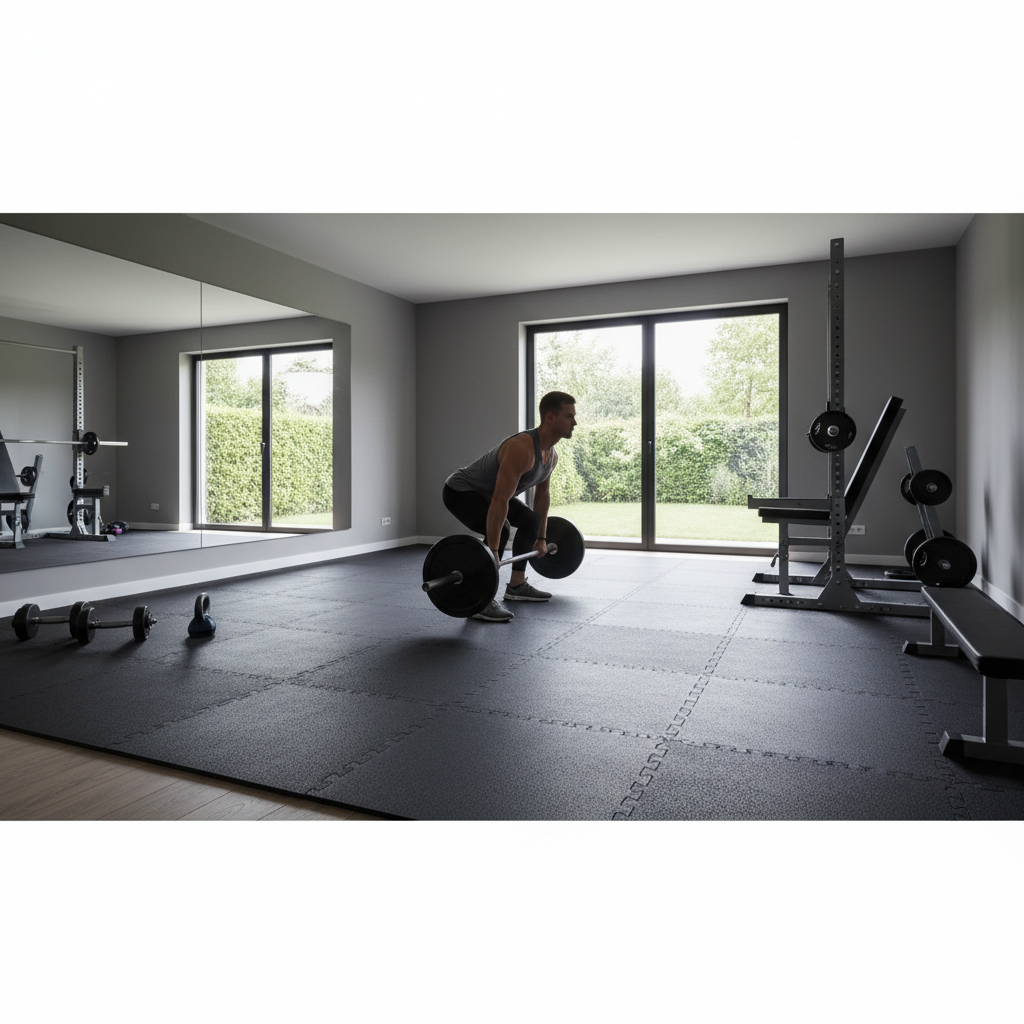
When setting up a home gym, one of the key components to consider is the flooring, and Interlock Foam Mats are often at the top of the list. These versatile mats not only provide a cushioned surface for workouts but also help to create a safe and functional training environment. Renowned fitness expert Dr. Michelle Anderson once said, "Quality flooring can elevate your workout experience, making each session more enjoyable and effective." This statement rings true particularly with Interlock Foam Mats, which offer an innovative solution for those seeking comfort and protection during their exercise routines.
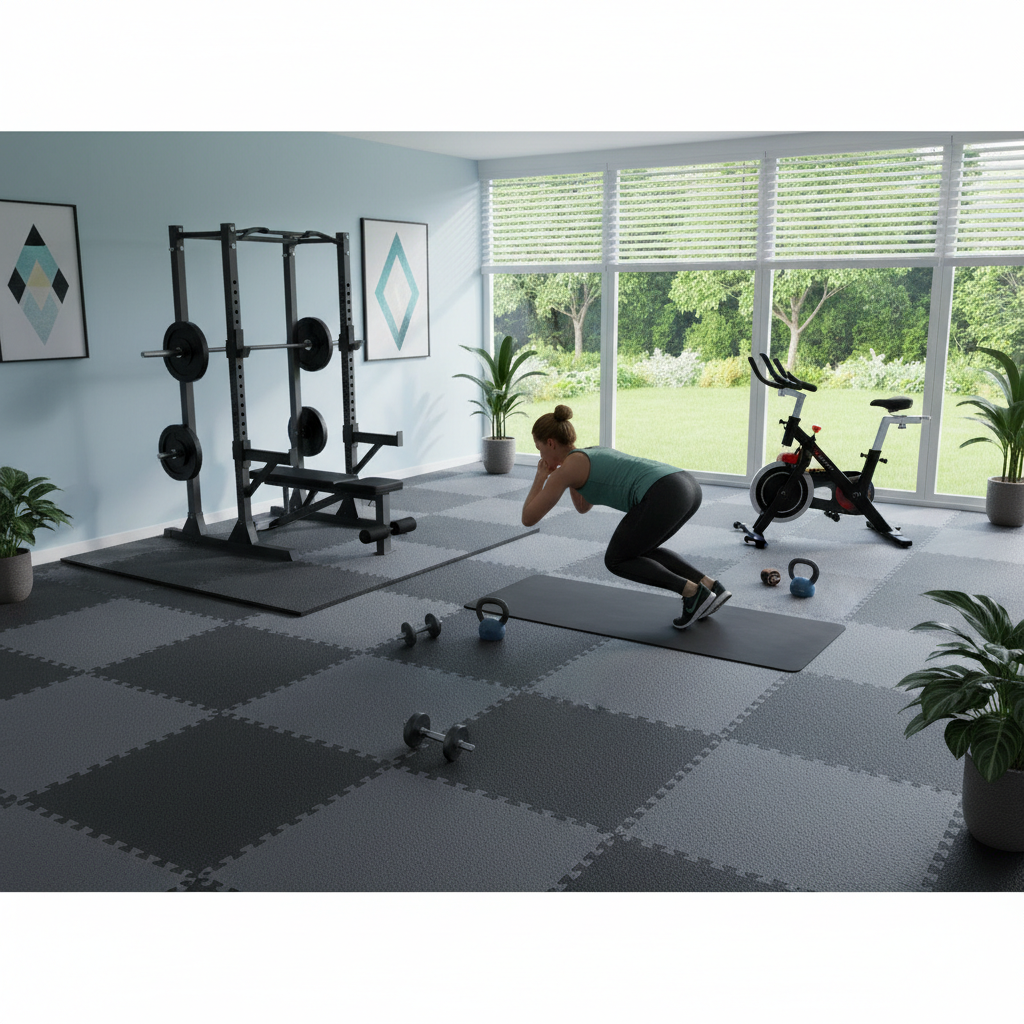
The benefits of Interlock Foam Mats extend beyond just comfort; they also provide excellent shock absorption and insulation, making them an ideal choice for various home gym setups. The unique interlocking design allows for easy installation and reconfiguration, empowering gym enthusiasts to customize their space according to their needs. In this article, we will explore the top 10 tips for utilizing Interlock Foam Mats in your home gym, ensuring that you not only maximize your workout potential but also create a safe and aesthetically pleasing environment. With these expert insights, you can transform any area into a dedicated workout space that caters to your fitness goals.
Choosing the Right Interlock Foam Mats for Your Home Gym
When setting up a home gym, selecting the right interlock foam mats can significantly impact your workout experience. Research indicates that the global market for fitness flooring, which includes interlock foam mats, is projected to reach $1.2 billion by 2025, highlighting the increasing demand for quality gym flooring solutions (Market Research Future). Choosing the right mats not only enhances safety by providing cushioning to absorb impact but also contributes to the overall functionality and aesthetic appeal of your workout space.
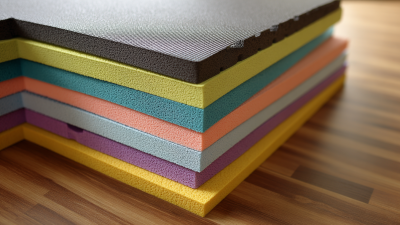
When considering interlock foam mats, it’s crucial to assess the density and thickness. Mats typically come in various thickness levels, ranging from 0.5 inches to 1 inch, with thicker options providing better shock absorption for high-impact exercises, such as plyometrics or weightlifting. Additionally, durability is a key factor—high-quality EVA foam is resistant to wear and tear, making it ideal for heavy use in home gym settings. Industry reports suggest that investing in high-density mats can reduce injuries by up to 30%, emphasizing the importance of selecting the right materials for both protection and performance.
Measuring Your Space: How to Determine the Mats You Need
When setting up a home gym, one of the essential steps is measuring your space accurately to determine the mats you need.
Start by identifying the specific area dedicated to your workouts. Use a measuring tape to get the dimensions, taking into account the length and width of the space.
It's important to note any obstacles such as furniture or equipment that might impact how you position your foam mats.
This will help you visualize how much flooring is necessary and avoid any unexpected shortages.
Once you have your measurements, consider the type of workouts you'll be performing. Different activities require varying amounts of space;
for instance, yoga or stretching may need less room than weightlifting
or high-intensity interval training.
Based on your workout preferences, calculate how many interlock foam mats you’ll need to cover the area adequately, ensuring a
safe and comfortable environment. Additionally, consider leaving some space around the edges of your gym area for movement and ventilation,
which can enhance your workout experience.
Installation Tips for Interlocking Foam Mats to Ensure a Good Fit
When installing interlocking foam mats for your home gym, ensuring a proper fit is crucial for both safety and functionality. Begin by preparing the space where the mats will be laid. Clear the area of any debris, furniture, or equipment that may interfere with the installation. It’s also important to measure the dimensions of your gym space accurately. This helps you determine the number of mats needed and minimizes waste, ensuring a seamless layout.
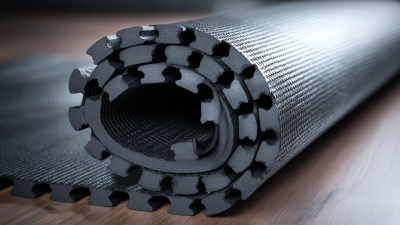
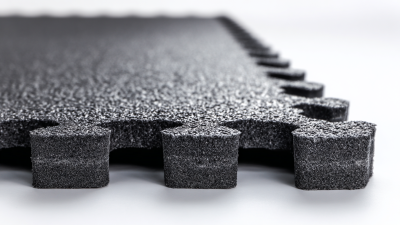
Once you have your mats, start from one corner of the room and work your way outwards. Align the first mat properly to avoid gaps. If the mats come with connectors, ensure they are firmly clicked into place for a tight fit. Keeping a level edge will prevent tripping hazards during workouts. If you need to cut mats to fit around obstacles or edges, use a sharp utility knife for clean cuts, and be cautious to maintain the integrity of the remaining mats. With these installation tips, your interlocking foam mats can create a safe and cushioned workout environment for your home gym.
Maintaining and Cleaning Your Foam Mats for Longevity
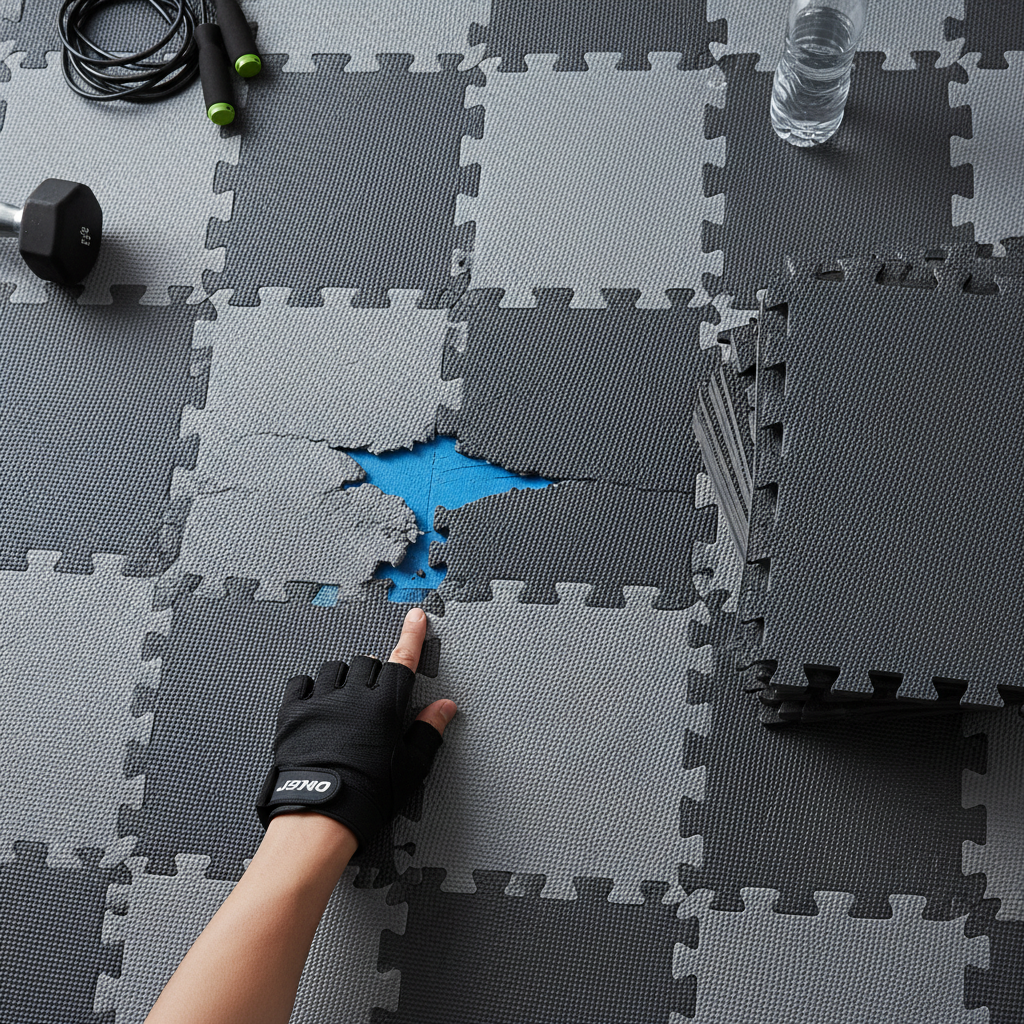
To ensure your interlock foam mats last for many workouts to come, proper maintenance and cleaning are essential. Regularly inspect your mats for any signs of wear or damage, as addressing these issues promptly can prevent further deterioration. If you notice any cuts or tears, consider replacing the affected tiles to maintain a uniform and safe workout surface.
Cleaning your foam mats is straightforward but requires the right approach. Use a mild detergent mixed with water to gently scrub the surface, as harsh chemicals can degrade the foam. After cleaning, thoroughly rinse the mats to remove any soap residue and allow them to air dry completely before reinstalling them. For deeper cleaning, consider a vinegar solution, which can help eliminate odors and disinfect the mats without causing damage. By keeping your mats clean and well-maintained, you'll enhance the hygiene of your home gym while prolonging the life of your interlock foam flooring.
Enhancing Stability: Additional Tips for Securing Your Gym Setup
When setting up a home gym, enhancing stability is crucial to create a safe and effective workout environment. One of the most essential tips is to ensure that your interlock foam mats are properly aligned. Misaligned mats can create uneven surfaces, increasing the risk of slips or falls. Taking the time to fit the mats snugly together will provide a more stable foundation for your equipment and activities.
In addition to proper alignment, consider using some adhesive or double-sided tape along the seams of the mats. This will help secure them in place, preventing any shifting during your workouts. Another useful tip is to regularly inspect your mats for wear and tear. Maintaining them in good condition will not only improve stability but also extend the lifespan of your gym setup. By implementing these strategies, you can elevate the safety and performance of your home gym, allowing for a more focused and enjoyable workout experience.