Choosing the right Eva Foam Puzzle Mat is less about bright colors and more about dependable daily performance. A home gym needs firm cushioning under dumbbells. A children’s playroom needs softer edges, low odor, and secure interlocking seams. Buyers also face different climates, flooring types, budgets, and import requirements.
Plastics expert Dr. Chris DeArmitt offers a useful principle: “Test the material for the job it must perform.” That idea guides this comparison. We examine thickness, foam density, surface texture, water resistance, edge design, cleaning needs, and long-term compression. We also consider packaging quality, because crushed corners can appear before installation. Small details matter.
No single product fits every market. Some mats feel stable under exercise equipment but seem too firm for toddlers. Others look attractive but separate on uneven floors. That trade-off is easy to miss. Our selection of seven Eva Foam Puzzle Mat options focuses on practical evidence, not impressive claims alone. Product descriptions can be incomplete. Retail images can also exaggerate texture and color. Readers should still confirm test reports, dimensions, warranty terms, and local safety expectations before ordering. This guide may not remove every uncertainty. It aims to make those uncertainties visible, helping global buyers compare products with clearer judgment and fewer costly surprises.
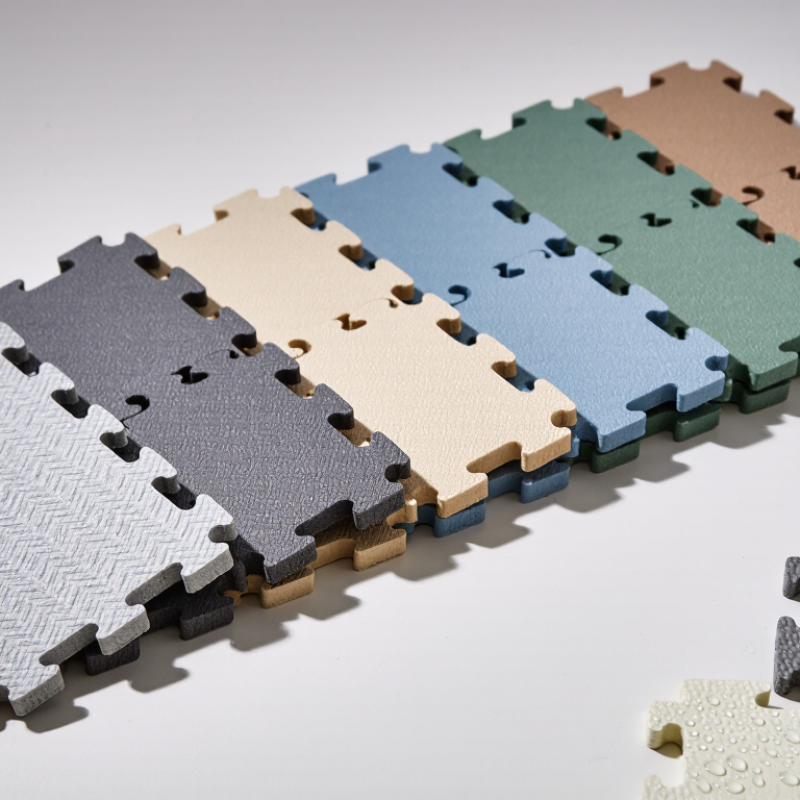
EVA foam puzzle mats are modular floor tiles made from ethylene-vinyl acetate, a lightweight closed-cell foam. Each tile has interlocking edges, similar to large puzzle pieces. Users connect them without glue, then trim border pieces for a cleaner fit. The foam cushions footsteps, reduces minor impact, and creates a warmer surface over concrete or tile. It also resists limited moisture, although it is not waterproof flooring.
How do they work? Under pressure, the foam compresses and spreads force across a wider area. This can make exercise, children’s play, or workshop standing more comfortable. The interlocking design keeps tiles aligned, but heavy equipment may separate the seams. Mats also reduce some vibration, not all noise. They may smell when unpacked, especially in warm rooms. That odor usually decreases with ventilation, but buyers should not ignore it.
Tips: Check tile thickness, density, edge design, and safety documentation before ordering. Let new mats air out in a shaded, ventilated place. Keep them away from high heat and direct sunlight. Clean spills quickly, because moisture can collect beneath seams. Measure the room twice. A small mistake matters. For global buyers, confirm dimensions, packaging, labeling, and local material requirements before purchase. EVA foam seems simple, yet surface texture and compression quality vary considerably. That detail deserves careful comparison.
EVA foam puzzle mats are interlocking floor tiles made from closed-cell ethylene-vinyl acetate foam. The puzzle-shaped edges connect the tiles without permanent adhesive, creating a cushioned, easy-to-install surface for exercise, playrooms, workshops, and temporary floor protection.
| Recommended Mat Type | Typical Tile Size | Common Thickness | Typical Coverage per Tile | Best Use | Main Advantages | Important Buying Considerations |
|---|---|---|---|---|---|---|
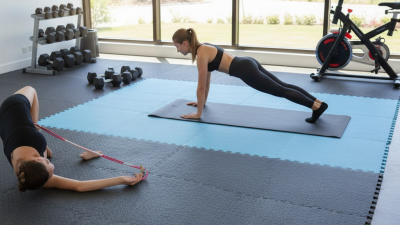
| 1. Interlocking Exercise Mat | 60 × 60 cm | 10–20 mm | 0.36 m² | Yoga, stretching, home workouts, and light equipment | Cushioning, quick assembly, and easy area expansion | Check surface texture, compression resistance, and whether the tiles include edge pieces. |
| 2. Heavy-Duty Gym Mat | 60 × 60 cm or 100 × 100 cm | 20–30 mm | 0.36–1.00 m² | Weight training, cardio equipment, and garage gyms | Better impact absorption and improved floor protection | Verify density, odor control, load tolerance, and resistance to indentation. |
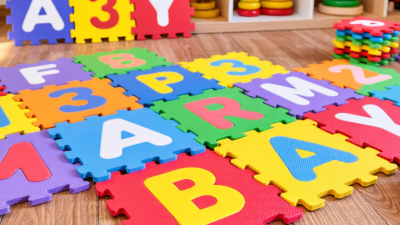
| 3. Children's Playroom Mat | 30 × 30 cm or 60 × 60 cm | 10–20 mm | 0.09–0.36 m² | Playrooms, nurseries, and crawling areas | Soft underfoot feel, modular replacement, and colorful layouts | Look for tested materials, secure interlocking edges, easy-clean surfaces, and age-appropriate designs. |
| 4. Tatami-Style Puzzle Mat | 60 × 60 cm or 100 × 100 cm | 20–40 mm | 0.36–1.00 m² | Martial arts, tumbling, and controlled floor exercises | Enhanced cushioning and broad, stable floor coverage | Confirm the intended impact level, firmness, seam stability, and slip resistance. |
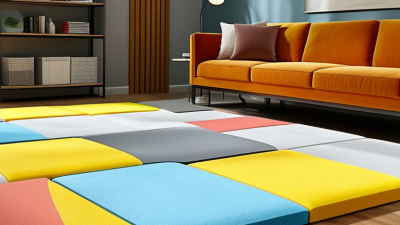
| 5. Wood-Grain Decorative Mat | 60 × 60 cm | 10–15 mm | 0.36 m² | Temporary indoor flooring and multipurpose rooms | More attractive appearance and simple reconfiguration | Check print durability, color consistency between batches, and protection against furniture marks. |
| 6. Outdoor-Camping Puzzle Mat | 30 × 30 cm or 60 × 60 cm | 10–20 mm | 0.09–0.36 m² | Camping, event flooring, balconies, and temporary outdoor use | Lightweight, portable, and provides insulation from cold surfaces | EVA foam is water-resistant but not automatically weatherproof; store it dry and protect it from prolonged sunlight. |
| 7. Workshop and Garage Floor Mat | 60 × 60 cm or 90 × 90 cm | 15–25 mm | 0.36–0.81 m² | Standing work areas, tool rooms, and light-duty garages | Reduces standing fatigue and helps protect hard flooring | EVA should not be treated as chemical-proof; avoid prolonged contact with fuels, solvents, oils, and extreme heat. |
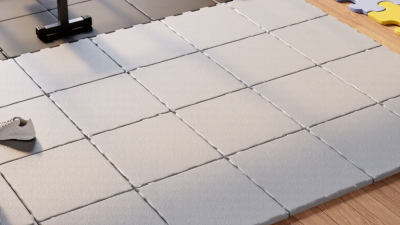
A high-quality EVA foam puzzle mat should feel firm, not spongy. In practical inspections, density matters more than thickness alone. A 10-millimeter mat may outperform a softer 15-millimeter product. Press the surface with your thumb. It should recover without leaving a lasting dent. Accurate puzzle edges are equally important. Loose joints create gaps, collect dust, and separate during movement. Tight connections feel stable under chairs, exercise equipment, or children’s play areas.
Surface texture affects comfort and safety. A lightly textured finish can improve grip, especially on smooth floors. However, deep patterns may trap dirt and become difficult to clean.
Look for closed-cell EVA foam with low water absorption. It should wipe clean with mild soap and a damp cloth. Strong chemical odors deserve attention. Ask for material specifications and independent test reports covering substances relevant to your market. Requirements differ between countries, so one document may not answer every purchasing concern.
Reliable suppliers should explain thickness tolerance, color consistency, packaging, and replacement-piece availability. Inspectors can compare samples from different production batches. Small color changes are easy to overlook in photographs. They become obvious across a large installation. Edge ramps can improve access and reduce tripping, but they must lock securely. No mat is perfect. I have seen attractive surfaces wear faster than expected under heavy equipment. Real testing, not only catalog claims, remains essential for global buyers.
Check the material carefully. EVA foam should feel resilient, not brittle or excessively soft. Press one corner and watch how quickly it recovers. Slow recovery may indicate weak compression resistance. Measure tile thickness, density, dimensions, and total coverage before ordering. Small size differences can create visible gaps. They can also complicate replacement.
Ask for safety documentation and clear production details. Requirements differ between countries, so verify testing for chemical content, flammability, and slip performance where relevant. Confirm odor levels after opening the package. Ventilation may still be needed. I would not call any mat perfect. A thick tile can protect joints but feel less stable during balance work. A firm tile can feel durable but may be uncomfortable for children. Review the warranty, edge design, cleaning instructions, and spare-tile policy. One overlooked issue is color variation between production batches.
7 Best Eva Foam Puzzle Mats for Global Buyers
When comparing EVA foam puzzle mats, start with safety rather than color or price. Ask suppliers for recent material test reports covering heavy metals, restricted chemicals, and slip resistance. Requirements differ by destination market, so one document may not satisfy every buyer. A strong chemical odor deserves attention, but it is not automatic proof of danger. Ventilation, storage conditions, and packaging can affect smell. Check the mat after airing it indoors.
Size and thickness influence both comfort and shipping cost. Measure the installation area, including corners and door gaps. A 60-centimeter tile may seem standard, yet small production tolerances can create visible seams. Thickness from 10 to 20 millimeters may suit children’s play areas, exercise spaces, or light workshops differently. Thicker foam feels softer, but it can reduce stability under heavy equipment. Density matters too. Do not judge performance by thickness alone.
Tips: Request one sample before ordering in bulk. Test its interlocking fit, surface grip, odor after 48 hours, and recovery after furniture pressure. Bend one edge gently and inspect for cracking. For durability, ask about compression recovery, abrasion resistance, and storage temperature limits. Dark surfaces may show scratches less clearly, while textured surfaces can trap dust. I would also compare packaging quality; damaged edges often begin before installation. Perfect performance is unlikely, so record the compromises that matter most for your buyers.
Comparison of representative market specifications by use case. Thickness, tile size, density, and abrasion resistance help buyers evaluate cushioning, portability, stability, and durability. Safety should be verified through supplier documentation for applicable requirements such as ASTM F963, CPSIA, EN 71, REACH, and VOC testing.
How to read the chart: Thicker mats generally provide better impact absorption, while higher-density EVA can improve dimensional stability and wear resistance. Larger tiles reduce installation time but may be less convenient for compact storage. Values shown are representative benchmarks for comparison, not claims for a specific product.
For global buyers, EVA foam puzzle mats should be evaluated beyond thickness and color. UNCTAD’s Review of Maritime Transport 2024 states that ships carry over 80% of world merchandise trade by volume. That makes packaging practical, not decorative. Request flat, moisture-resistant cartons, lot numbers, and pre-shipment photos. Check tile dimensions after interlocking, because small tolerance differences can create raised edges. A 10% spare quantity is sensible for cuts and future replacement. Still, that allowance may be excessive for small rooms.
Ask suppliers for material composition, density, odor testing, and applicable safety documentation. ISO 8124-1 covers mechanical and physical safety for toys, but a floor mat is not automatically a toy-certified product. Buyers should match testing to the product’s actual use. Keep invoices, test reports, and batch details together. This creates traceability when color, texture, or odor changes between shipments.
Care starts with simple habits. Vacuum loose grit before mopping, then use diluted neutral detergent and a soft cloth. Avoid harsh solvents, boiling water, and prolonged direct sunlight. EVA can compress under heavy furniture. Rotate frequently used tiles every few months. After cleaning, dry both surfaces completely; trapped moisture can leave a musty smell. Store spare tiles flat, cool, and away from heaters. Do not seal damp pieces in plastic. I have seen “clean” mats packed too early, and the odor returned within days. Mistakes happen. A short inspection log is worth keeping.